


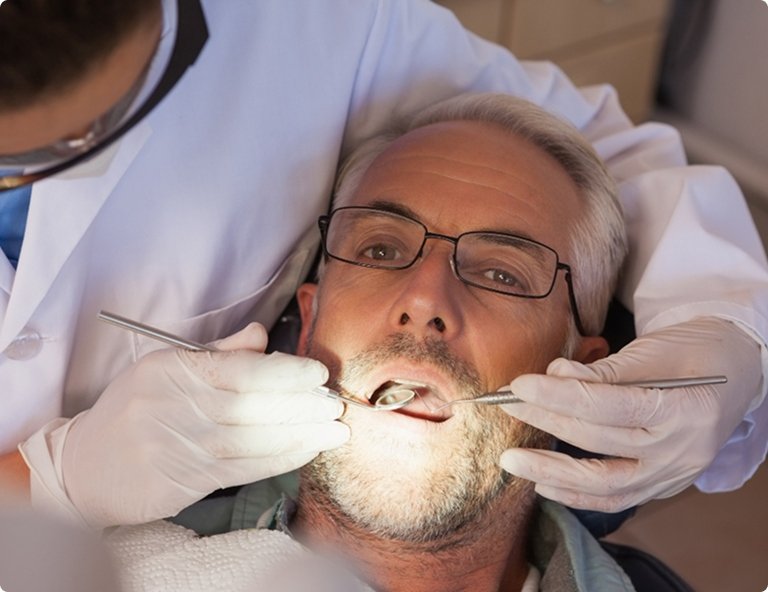
What Are Wisdom Teeth?
Wisdom teeth, also called third molars, are the last permanent teeth to develop. Most people have four wisdom teeth—one in each corner of the mouth—and they typically appear between the ages of 17 and 25.
While some wisdom teeth grow normally, many become impacted because there isn’t enough room in the jaw. Impacted teeth can remain trapped beneath the gums or grow at an angle, leading to pain and other dental complications.
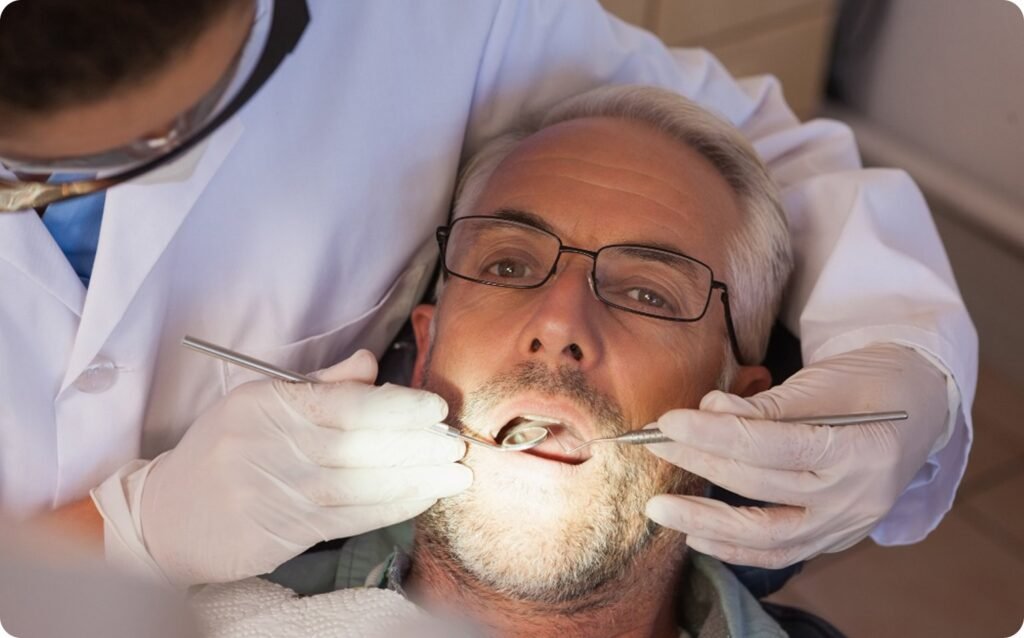
Wisdom Teeth Removal
Modern jaws are often too small to accommodate wisdom teeth properly. When there isn’t enough space, these teeth may:
• Grow sideways
• Push against neighboring teeth
• Become partially erupted
• Remain trapped beneath the gums
• Create pockets where bacteria collect
Without treatment, impacted wisdom teeth may contribute to infection, cavities, gum disease, jaw discomfort, or damage to nearby teeth.
Signs You May Need Wisdom Teeth Removal
You may benefit from an evaluation if you experience:
• Pain behind your back teeth
• Swollen or tender gums
• Jaw stiffness or soreness
• Difficulty opening your mouth
• Persistent bad breath
• Frequent infections around the wisdom teeth
• Food getting trapped behind the last molars
• Headaches caused by jaw pressure
Sometimes wisdom teeth cause no symptoms at all, which is why routine dental examinations and digital X-rays are important.
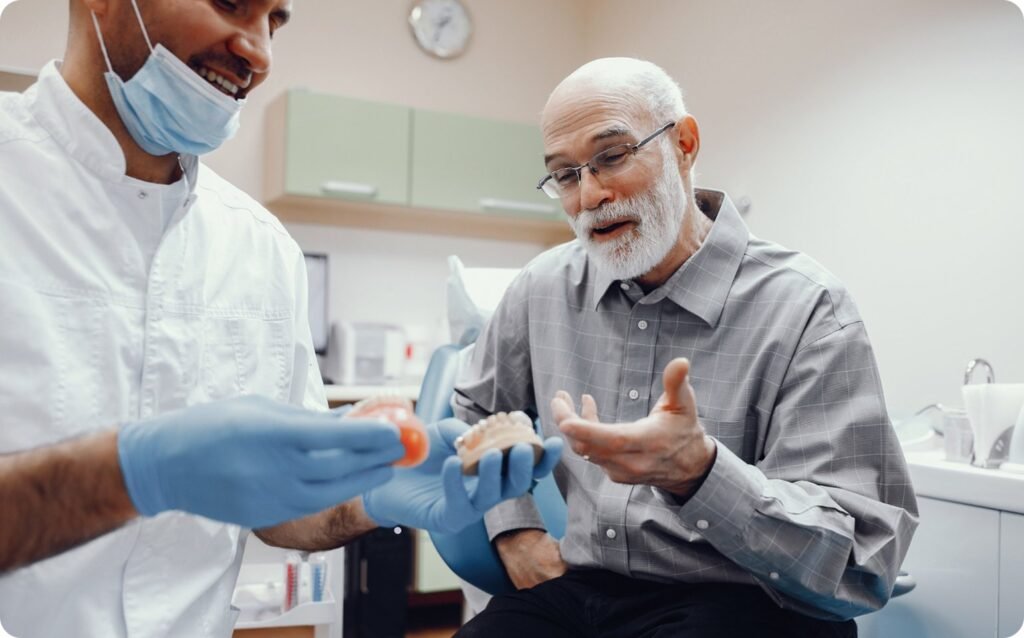
Recovery Timeline
First 24 Hours
• Mild bleeding is normal.
• Rest and avoid strenuous activity.
• Apply ice packs to reduce swelling.
• Eat soft foods only.
Days 2–3
Swelling usually reaches its peak before gradually improving.
Continue:
• Soft foods
• Gentle rinsing with salt water
• Prescribed medications
• Plenty of fluids
Tips for Smooth Recovery
Wisdom teeth removal is one of the most common oral surgery procedures, yet many patients feel anxious because they don’t know what to expect. Whether your wisdom teeth are causing pain or your dentist has recommended removing them before problems develop, understanding the process can help you feel more confident and prepared.
In this guide, we’ll explain why wisdom teeth are removed, the signs to watch for, what happens during surgery, and how to recover comfortably.
Final Thoughts
Wisdom teeth don’t always need to be removed, but when they become impacted or begin affecting your oral health, early treatment can prevent more serious complications. Modern oral surgery techniques, advanced imaging, and personalized care have made wisdom teeth removal safer and more comfortable than ever before.
If you’re experiencing pain, swelling, or have been told your wisdom teeth may need attention, scheduling an evaluation is the best first step. A thorough examination and personalized treatment plan can help protect your long-term oral health and ensure a smoother recovery if removal is recommended.